
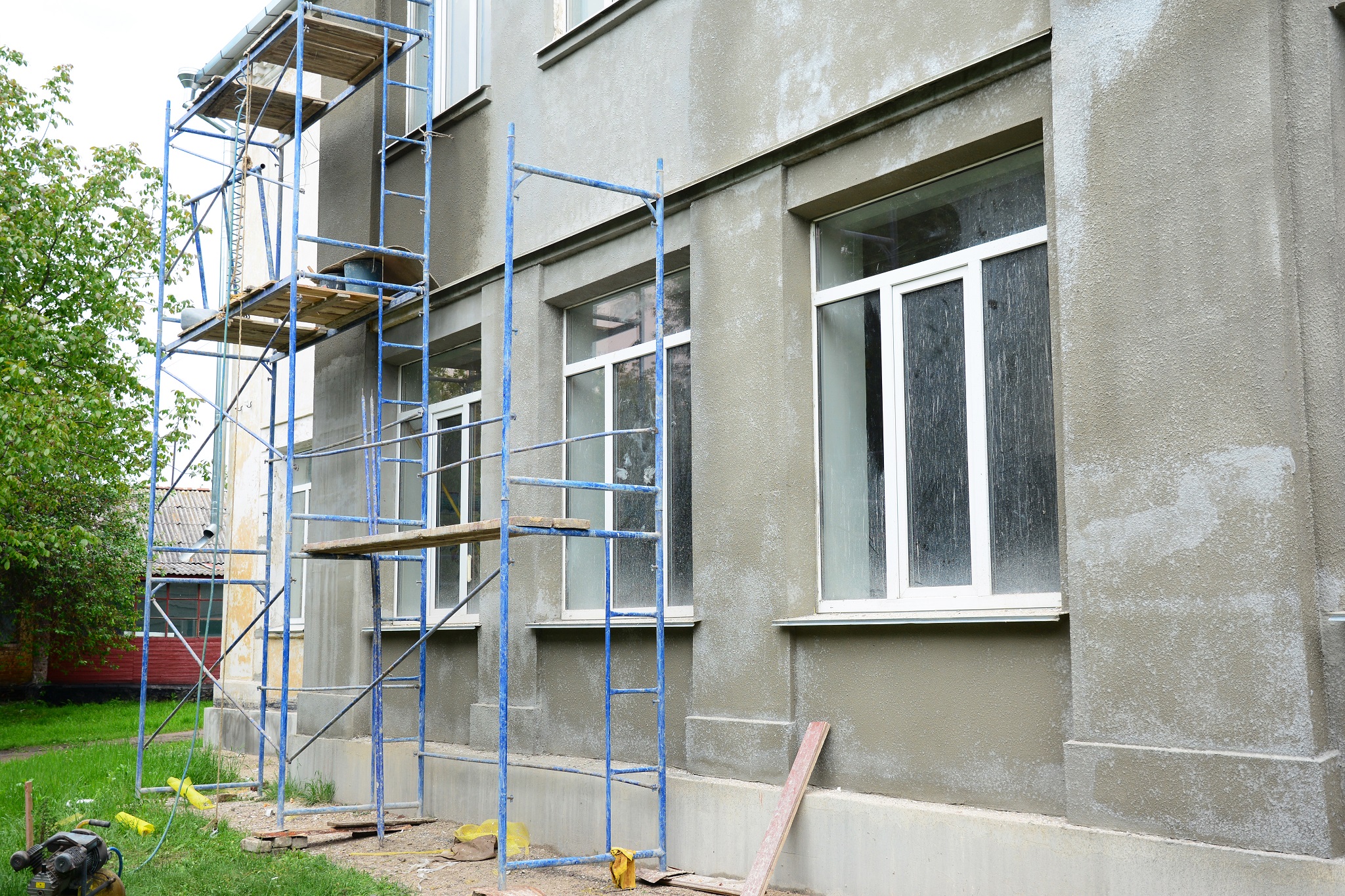
Your home’s exterior walls are subjected to the elements year-round, facing rain, wind, UV rays, and temperature fluctuations. To ensure the longevity and appearance of your property, it’s essential to apply a protective coating. In this article, we will explore various coating options and provide guidance on choosing the right one to safeguard your exterior walls.
Why Exterior Wall Protection is Necessary
Exterior walls are vulnerable to a range of issues, including:
- Moisture Infiltration: Rain, snow, and humidity can penetrate the walls, leading to mold, mildew, and structural damage.
- UV Damage: Prolonged exposure to sunlight can cause fading and deterioration of paint or siding materials.
- Cracking and Peeling: Temperature fluctuations can lead to cracks and peeling of paint or render.
- Pest Infestations: Wood-based walls may be susceptible to termite or other pest infestations.
- Aesthetic Degradation: The appearance of your home can be marred by unsightly stains, discoloration, or wear.
Types of Exterior Wall Coatings
There are various types of coatings available, each designed to address specific protection and aesthetic needs:
1. Paint. Paint is a versatile and cost-effective option. Exterior paint comes in various finishes, including flat, satin, semi-gloss, and gloss, offering a wide range of appearances.
Consider using high-quality acrylic or elastomeric paint for durability and weather resistance.
2. Stucco or House Rendering. Stucco or house rendering is a textured coating applied to exterior walls, often made from a mixture of cement, sand, and lime. It provides durability and weather resistance.
Choose acrylic or silicone rendering for improved water repellency.
3. Insulated Render. Insulated render offers energy efficiency benefits by providing an additional layer of insulation to your walls. It can reduce heating and cooling costs.
Insulated render is often applied in conjunction with acrylic or silicone rendering.
4. Cladding. Cladding involves attaching a protective material, such as wood, vinyl, or metal, over your existing exterior walls. It offers durability and an additional layer of insulation.
Cladding materials should be chosen based on your climate and aesthetic preferences.
Choosing the Right Coating
When selecting the right coating for your exterior walls, consider the following factors:
Climate
Your region’s climate greatly influences your choice. For areas with heavy rainfall, consider water-resistant coatings. In hot climates, UV-resistant options are essential.
Wall Material
The material of your exterior walls, whether wood, concrete, brick, or another type, should influence your coating choice. Some coatings work better with specific wall materials.
Aesthetic Preferences
Your desired appearance plays a significant role. Paint allows for a wide range of colors and finishes, while stucco or render provides a textured appearance.
Budget
Determine your budget, including both the cost of materials and professional installation if necessary.
Longevity
Consider the expected lifespan of the coating. Some coatings may require more frequent reapplication than others.
Energy Efficiency
If energy efficiency is a concern, insulated render or cladding may be beneficial for adding an extra layer of insulation to your walls.
Conclusion
Protecting your exterior walls is essential for the long-term maintenance and appearance of your home. The right coating can guard against moisture infiltration, UV damage, and other common issues. By considering your climate, wall material, aesthetic preferences, budget, longevity, and energy efficiency concerns, you can choose the render Manchester that best suits your needs and ensures the protection and beauty of your home’s exterior. Consulting with professionals in the field can also provide valuable insights and guidance in making the right choice.
Początek formularza