
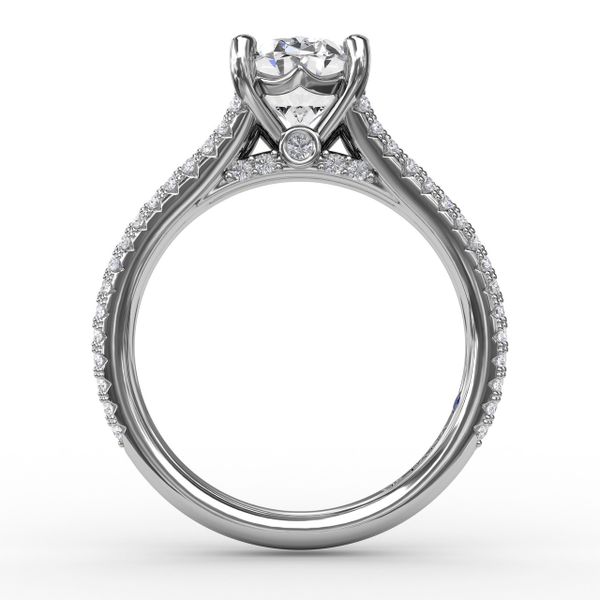
Throughout history, engagement rings have symbolized love, commitment, and social status, particularly among royalty. The engagement rings of German queens are not just beautiful pieces of jewelry; they carry with them rich stories of romance, power, and historical significance. From the intricate designs to the rare gemstones, these rings reflect the personal and political alliances of their wearers, encapsulating centuries of tradition and sentiment.
One of the most notable engagement rings belonged to Queen Victoria of the United Kingdom, whose lineage connects to various German noble families. In 1840, she received a stunning gold and diamond ring from Prince Albert, showcasing not only their deep affection but also the German influence on British royalty. The ring featured a serpent design, a symbol of eternity, which aligns with the Victorian era’s romantic ideals. This piece of jewelry marked the beginning of a new royal tradition, emphasizing the importance of engagement rings in solidifying dynastic ties.
Another captivating story is that of Princess Elisabeth of Bavaria, better known as Empress Sisi of Austria. Her engagement ring, a delicate band adorned with diamonds, represented her union with Emperor Franz Joseph I. The ring is emblematic of the elaborate courtship that was filled with both passion and political maneuvering. Sisi’s life, filled with both glamour and tragedy, adds depth to her engagement ring’s narrative, making it a poignant symbol of love intertwined with the burdens of duty.
The engagement ring of Queen Sophie of the Netherlands is also steeped in history. A member of the House of Hohenzollern, Sophie received a beautiful diamond ring from her husband, King Willem III. This ring was not only a token of his affection but also a representation of the political alliance between Germany and the Netherlands at the time. It serves as a reminder of how engagement rings often bridged gaps between nations, signifying peace and unity through marriage.
In more recent history, the engagement ring of Princess Madeleine of Sweden draws attention for its modern yet elegant design. Made of a central diamond surrounded by smaller stones, this ring symbolizes a blend of contemporary style with royal tradition. Princess Madeleine’s choice reflects a shift in royal customs, where personal taste increasingly influences engagement ring designs, showing that these pieces can evolve while still holding historical significance.
The stories behind these engagement rings illustrate the complex interplay of love and politics in royal marriages. They highlight how these rings were not merely personal tokens but also crucial elements of dynastic strategy. Each ring tells a story of alliances forged, hearts entwined, and sometimes, heartbreaks endured. The gemstones themselves, often sourced from the depths of royal treasuries, can tell tales of wealth and rarity, adding another layer of meaning to their history.
Engagement rings of German queens thus serve as a fascinating lens through which we can explore the nuances of royal life. They symbolize not just the commitment of two individuals but also the intricate tapestry of political relationships and social expectations that shaped their world. Each ring is a testament to the enduring nature of love and the rich histories that accompany it.
In conclusion, the engagement rings of German queens are more than exquisite adornments; they are historical artifacts laden with stories of love, duty, and political intrigue. Each ring carries the weight of its wearer’s legacy, connecting the past to the present and reminding us of the timeless significance of commitment, both in personal relationships and within the broader context of history. As we admire these pieces, we gain insight into the lives of the women who wore them and the eras they represented, enriching our understanding of royal heritage.